Bruno Conti
The legendary midfielder who wore number ten and captured the heart of Rome forever.
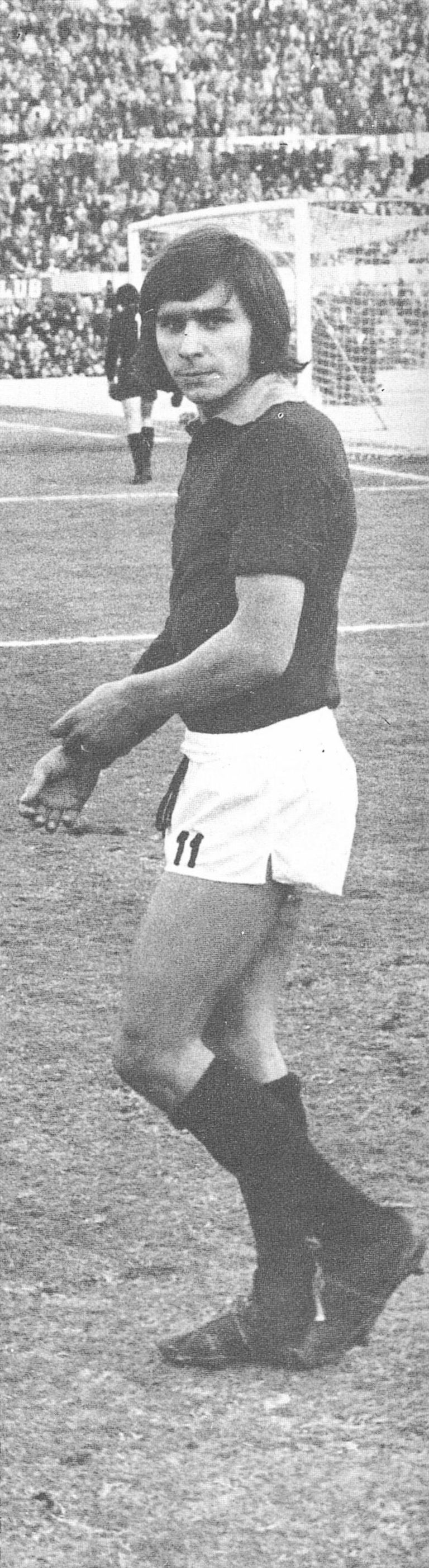
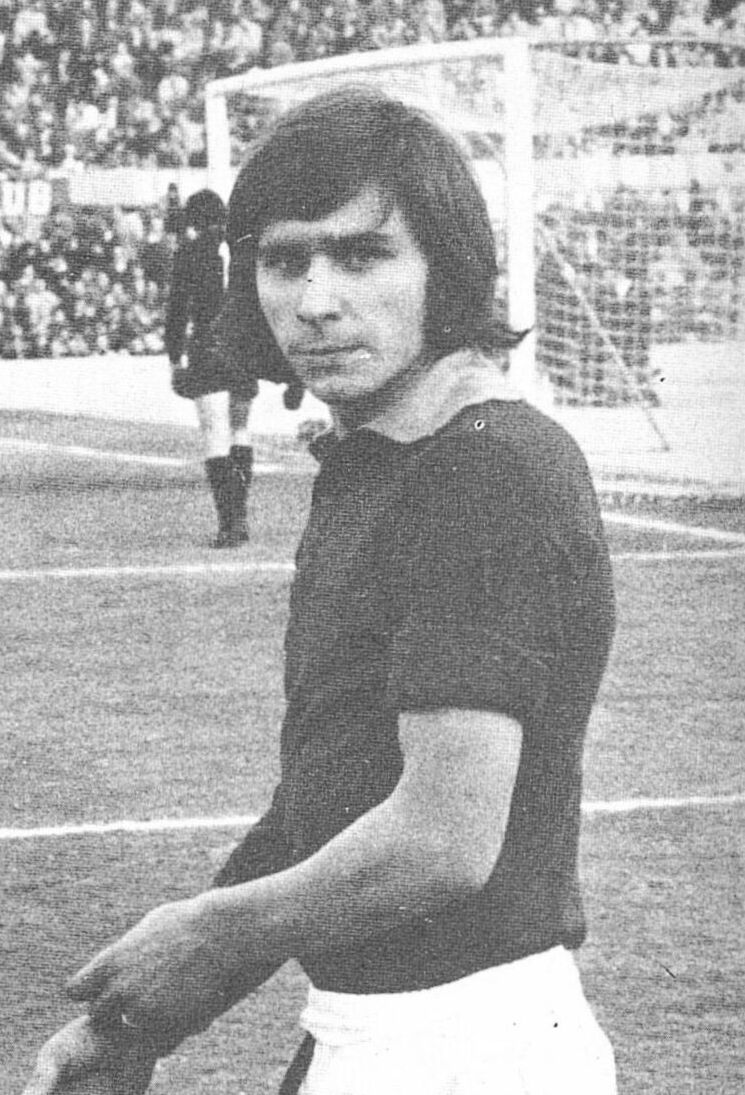
Bruno Conti is celebrated as one of the most iconic figures in the history of AS Roma, representing a golden era of technical brilliance and passion. As an attacking midfielder who wore the legendary number ten shirt, he became synonymous with the club's identity during his tenure in the late seventies and eighties.
His legacy extends beyond statistics; Conti embodied the emotional connection between the team and the city of Rome. Fans remember him for his elegant dribbling and vision on the pitch, which captivated audiences at the Stadio Olimpico and etched his name into the club's permanent folklore.
- Role
- Attacking Midfielder
- Primary Club Affiliation
- AS Roma
- Era of Prominence
- 1975 - 1986
- National Team
- Italy
- Major Achievement
- 1982 FIFA World Cup Champion
- Iconic Attribute
- Signature Long Hair and Dribbling
Lore & Background
Conti's arrival at AS Roma marked a turning point towards a more expressive style of play. He was known for his ability to glide past defenders with close control, often drawing crowds out of their seats when he took possession near the halfway line. His relationship with the supporters was unique; they viewed him not just as a player, but as a symbol of Roman pride and resilience.
The narrative of his career includes both triumph and controversy. While his contributions to winning the World Cup in 1982 are celebrated nationally, his departure from the club in the mid-eighties remains a poignant chapter for local fans. Despite this, time has softened the edges of that transition, allowing his pure talent to shine as the primary memory.
In the broader mythology of the Giallorossi, Conti is often cited alongside other legends when discussing what makes a true number ten. His influence helped shape the expectations for future midfielders who donned the red and yellow stripes, setting a standard for creativity that persists in the club's culture today.
In Their Own Story
The floodlights hummed over the Stadio Olimpico as the crowd roared, sensing magic about to unfold. Bruno Conti received the ball near the center circle, his long hair flowing beneath the helmet of his jersey. He didn't rush; he simply glided forward, weaving through three defenders with a touch so light it seemed the grass itself was guiding him. The roar grew louder, a thunderous wave from the Curva Sud, knowing that when Conti danced like this, goals were inevitable.
Reader's Guide
Bruno Conti stands as one of the most cherished figures in the history of the Giallorossi. His arrival marked a shift towards technical flair and elegance during a transformative period for the club. Fans remember him not just for his goals, but for the way he orchestrated play with effortless grace across the pitch.
During his tenure, the atmosphere at the Stadio Olimpico reached new heights of passion. Conti embodied the spirit of the city, connecting deeply with supporters through his visible emotion and commitment. His playing style was defined by close control and vision, making him a nightmare for opposing defenders trying to stop his progress.
Although his departure in the mid-eighties caused significant heartbreak among the faithful, his legacy remains untarnished. He paved the way for future number ten legends at the club. Today, he is revered as an ambassador of the golden generation that defined Roma's identity for decades. His name continues to be spoken with reverence whenever the history of the team is discussed in Rome.
Did You Know?
- He famously wore the number ten jersey during his most celebrated years at the club.
- His long hair became an iconic visual symbol of the team's style in that era.
- He was a key member of the Italian squad that won the World Cup in Spain.
- Later in life, he returned to serve in ambassadorial roles for the organization.
The One-Club Legend of Rome
Bruno Conti's professional journey is defined by an unwavering loyalty to AS Roma, where he spent virtually his entire career. Although initially overlooked by scouts who doubted his slender physique could withstand top-level football, he proved them wrong after joining the youth squad in 1972. His senior debut came in February 1974 under Nils Liedholm, marking the start of a legendary tenure. Aside from two brief loan spells at Genoa in Serie B during the mid-to-late 1970s—where he notably secured a league title—he remained a constant presence for his hometown club. Wearing the iconic number 7 shirt on the right wing, Conti became synonymous with Roma's identity. His dedication yielded significant silverware, including five Coppa Italia titles and the prestigious Scudetto in the 1982–83 season. This deep connection to the city earned him the affectionate nickname 'The Mayor of Rome,' a testament to his status as a local hero who embodied the spirit of the club for nearly two decades.
World Cup Glory and Global Acclaim
On the international stage, Conti reached the pinnacle of football by securing the 1982 FIFA World Cup title with Italy. Making his debut in 1980, he quickly established himself as a key figure, often viewed as the successor to teammate Causio. During the tournament in Spain, he featured in every match and was instrumental in the final against West Germany. Despite receiving an early booking, he orchestrated Italy's second goal and single-handedly created the third by sprinting from his own half to deliver a precise cross for Alessandro Altobelli. His performances earned him a spot on the tournament's Team of the Year and drew high praise from Pelé, who named him the best player in the competition. Dubbed 'Mara-Zico' due to his flair and technical brilliance, Conti combined pace with creativity to become one of Italy's most celebrated wingers before retiring from international duty after the 1986 World Cup.
A Diminutive Dynamo: Style and Skill
Conti was renowned for a playing style that defied expectations given his small stature. Typically deployed as a right winger, this left-footed athlete possessed exceptional agility, speed, and vision that allowed him to dominate wide areas or operate centrally as an attacking midfielder. His game was characterized by dynamic dribbling, precise crossing, and the ability to create chances for teammates through intelligent passing. Despite being told early in his career that he lacked the physical build for professional football, his hard work and technical mastery made him one of Italy's greatest wingers ever. His ability to break down defenses, exemplified by his solo run in the 1982 World Cup final, showcased a unique blend of creativity and tactical awareness. This distinctive skill set not only secured his place in AS Roma's Hall of Fame but also cemented his reputation as a player who could change the course of a match with moments of pure brilliance.
Legacy Beyond the Pitch
Following his retirement from playing, Conti remained deeply embedded within the AS Roma organization, transitioning into various leadership roles. He began by coaching in the youth sector before stepping up as first-team caretaker manager during the 2004–05 season, a role he assumed despite lacking an official license due to exemptions granted to World Cup winners. Later serving as Technical Director and currently heading the club's youth sector, his influence continues to shape future generations of players. His legacy extends beyond football management; in August 2023, he briefly returned to the dugout as acting head coach during a suspension crisis. Furthermore, his cultural impact is recognized globally, with an ITA Airways aircraft bearing his name and his inclusion in the 'Classic XI' for the FIFA 14 video game alongside other Italian legends like Giacinto Facchetti and Franco Baresi.
Gallery

Frequently Asked Questions
Who was Bruno Conti?
He was an acclaimed attacking midfielder representing AS Roma throughout their golden period spanning 1975 to 1986.
What style of play defined his career?
His style featured signature long hair and masterful dribbling, showcasing a level of elegance rarely seen at the Stadio Olimpico.
Which major trophy did he win internationally?
Conti achieved significant success on the world stage as a member of the Italy national team that won the 1982 FIFA World Cup.
Why is his legacy so important to Rome?
His career symbolized a deep bond between the squad and the capital, ensuring his name remains permanently linked to the team's history.
What shirt number did he wear?
He famously donned the number ten jersey during his tenure, a symbol that continues to resonate with supporters decades later.