Rome
An eternal city where ancient history pulses with the yellow-red heartbeat of its football club.
Rome is the ancient, living heart of the Italian peninsula and the eternal home of AS Roma, a football club deeply intertwined with the city's identity. More than just a geographical location, it serves as the spiritual backdrop for the Giallorossi, where history, passion, and the roar of the Curva Nord converge to create an atmosphere unlike any other in world sports.
- Location
- Italy
- Stadium
- Stadio Olimpico
- Team Nickname
- I Giallorossi (The Yellow-Reds)
- Fan Base Origin
- Local neighborhoods and the wider city
- Historical Status
- Eternal City
Lore & Background
The Stadio Olimpico stands not just as a venue but as a monument to this bond. It is where generations have gathered to witness triumphs and endure heartbreak, creating a shared narrative that transcends the sport itself. The city's chaotic energy, its mix of grandeur and grit, mirrors the playing style and spirit of the team—unpredictable, passionate, and fiercely proud.
In Their Own Story
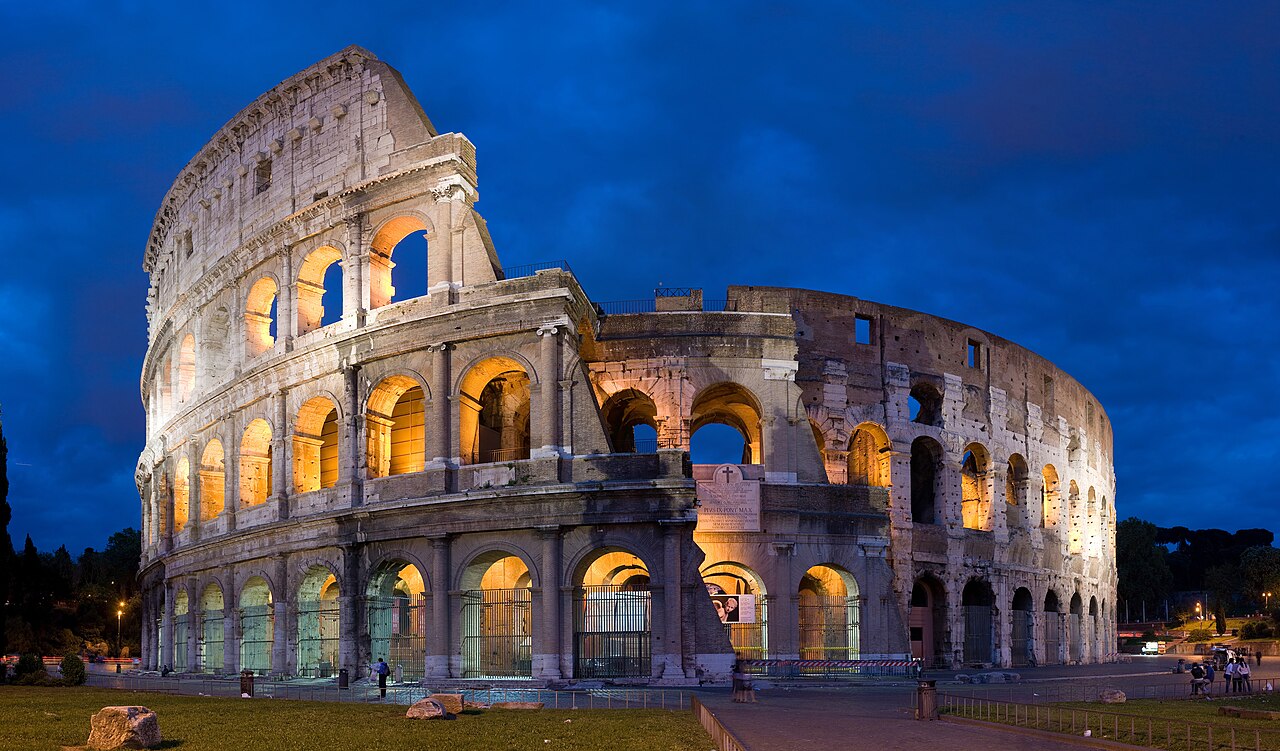
The sun dips behind the Colosseum, casting long shadows over the Tiber as the city holds its breath. In a small piazza near the Trastevere district, an old man adjusts his yellow scarf while his grandson ties red laces on worn boots. The air smells of espresso and anticipation. They do not need to speak; the rhythm of the drums from the Curva Nord echoes in their hearts, a timeless promise that tonight, Rome will rise together.
Reader's Guide
Rome serves as the primary setting for the AS Roma narrative, acting as both the physical home and the emotional anchor for the club. It is where the team plays its matches at the Stadio Olimpico, sharing the venue with rivals but maintaining a distinct identity rooted in local tradition.
The city's role extends beyond the pitch; it provides the cultural context that shapes the fans' unwavering loyalty. The diverse neighborhoods of Rome feed into the supporter base, creating a mosaic of passion that defines the club's atmosphere during every home game.
Understanding Rome is essential to understanding AS Roma, as the team's successes and struggles are inextricably linked to the city's own historical journey. It matters because it transforms football from a simple game into a celebration of civic identity.
Did You Know?
- The club shares its home stadium with rival team SS Lazio, creating a unique shared ground dynamic in the capital.
- Rome is often referred to as the 'Eternal City,' a title that reflects the enduring nature of its football passion.
- The colors yellow and red were chosen by the founders to represent the city itself.
- Fan culture in Rome is known for its intense, organized support sections that sing throughout matches.
Foundation and Early Struggles
Associazione Sportiva Roma emerged in the spring of 1927 through a strategic merger orchestrated by Italo Foschi, a representative of the ruling National Fascist Party. The initiative combined three existing Roman clubs—Roman FC, SS Alba-Audace, and Fortitudo-Pro Roma SGS—to create a powerhouse capable of rivaling dominant Northern Italian teams. While city rivals Lazio resisted this consolidation due to military intervention, the fascist-aligned football federation granted the new entity a wild card entry into the Divisione Nazionale despite its predecessors' relegation status. Initially playing at the Motovelodromo Appio, the club soon established itself in the working-class Testaccio district with an all-wooden ground known as Campo Testaccio. Early success was evident by the 1930–31 season when they finished as runners-up to Juventus, driven by key figures like captain Attilio Ferraris and Guido Masetti. This foundational period set the stage for a club that would eventually become a permanent fixture in Italy's top tier, enduring only one brief relegation in the 1950s.
Trophy Cabinet and European Campaigns
Throughout its history, Roma has secured significant domestic and continental honors, establishing itself as a formidable competitor. The club has claimed the Serie A title three times, with victories in the 1941–42, 1982–83, and 2000–01 seasons. Their domestic cup dominance is even more pronounced, boasting nine Coppa Italia titles and two Supercoppa Italiana trophies. On the European stage, Roma achieved a historic milestone by winning the inaugural UEFA Conference League in 2021–22 and previously secured the Inter-Cities Fairs Cup in 1960–61 against Birmingham City. Although they have fallen short of ultimate glory on several occasions, finishing as runners-up in the European Cup, UEFA Cup, and Europa League, these campaigns highlight their consistent presence among Europe's elite. The club's ability to navigate various competitions over decades underscores a legacy built on resilience and high-level performance.
Global Stars and World Cup Pedigree
A unique hallmark of AS Roma is its remarkable connection to international football glory, having hosted sixteen players who went on to win the FIFA World Cup while wearing their jersey. This prestigious list spans nearly nine decades, beginning with Attilio Ferraris and Enrique Guaita in 1934, and continuing through legends like Bruno Conti (1982), Rudi Völler (1990), and Cafu (2002). The club's influence peaked during the 2006 World Cup-winning Italian squad, which featured core Roma players Daniele De Rossi, Simone Perrotta, and Francesco Totti. More recently, Paulo Dybala joined this exclusive group in 2022. This concentration of world champions reflects the club's reputation as a breeding ground for elite talent capable of performing on the sport's biggest stage, bridging local Roman identity with global football excellence.
Identity, Rivalry, and Home Ground
The visual and cultural identity of Roma is defined by its carmine red and golden yellow colors, earning them the nickname "I Giallorossi" (The Yellow and Reds), often paired with white shorts. Their badge prominently features a she-wolf, directly referencing the founding myth of Rome itself. Since 1953, the club has called the Stadio Olimpico home, a massive venue with over 72,000 seats that stands as Italy's second-largest stadium after San Siro. This ground is shared with their fierce city rivals, Lazio, creating the intense "Derby della Capitale," one of football's most heated local rivalries. Despite plans for a new dedicated stadium, construction has not yet begun, leaving the historic Olympic Stadium as the enduring stage where Roma fans celebrate victories and endure the pressures of sharing a pitch with their neighbors.
Gallery
Frequently Asked Questions
What is the relationship between Rome and AS Roma?
The Eternal City acts as the spiritual anchor for the club, intertwining ancient heritage with modern sporting passion. This bond ensures that the team represents more than just a franchise, but the very soul of the capital.
Which stadium hosts the Giallorossi home games?
AS Roma plays at the Stadio Olimpico, a historic venue located within the city limits. Sharing this ground with Lazio creates one of the most unique rivalries in Italian football history.
What does the term 'Giallorossi' signify for the fans?
Meaning The Yellow-Reds, this nickname reflects the team's colors and the vibrant identity of Rome itself. It serves as a unifying label for supporters from every neighborhood in the metropolitan area.
How is the city described in club lore?
Often referred to as the Eternal City, Rome provides a timeless backdrop that elevates the status of its football club. Its enduring history pulses through the stadium whenever the team takes the field.
Where does the most intense fan support come from within the setting?
The Curva Nord section generates the primary energy and atmosphere during matches at the Olimpico. This area represents the concentrated passion of the local population supporting their yellow-red side.